

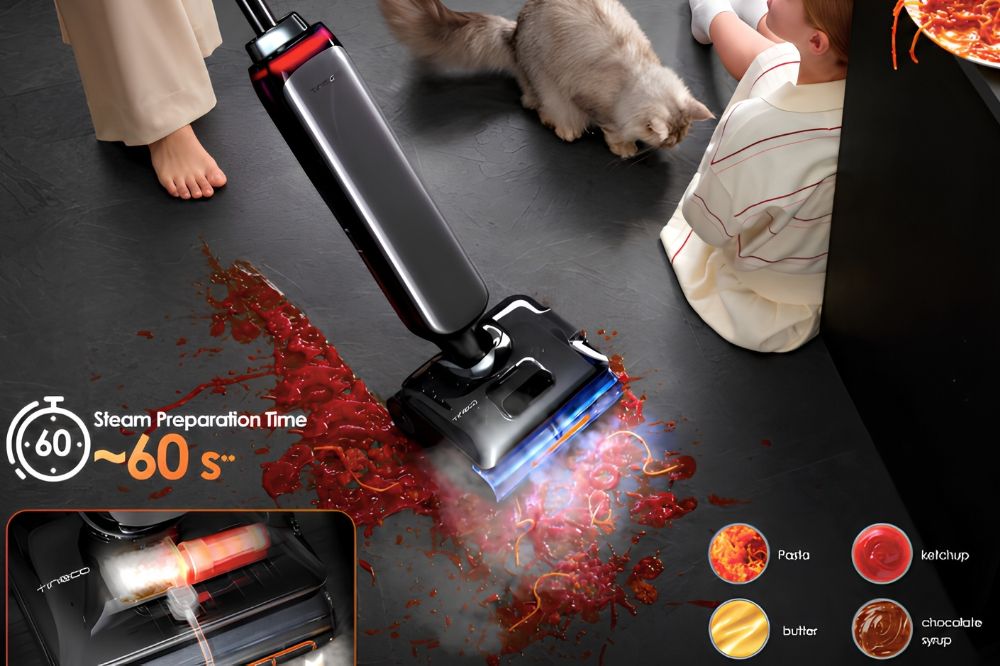
Parenthood is not always neat and orderly. Crumpled paper, craft supplies, and shoes are strewn on the table before school, backpacks are left in the entry hall, and leaves and random bits of playground gravel are found in the entryway during the afternoon. At the end of the day, the mess can seem like more work than there is time to actually do.
A realistic cleaning is not about completing the task of making a home spotless. It must make their lives easier, take some of the repetitive chores off their backs and allow children to participate without turning house-cleaning into a war.
In a hectic family home there are four mess zones.
There are a few common places where most family crises occur. Crumbs, drinking spills, and cooking debris are collected in the kitchen area. The living room is the hub of crafts, toys, snacks and homework. Entry Way collects dirt from outside and shoes, coats and school bags. The areas of the house that tend to have the most small items, such as paper scraps or building blocks, are bedrooms and play areas.
It helps to break the task up into segments and makes the process of cleaning less overwhelming. Instead of beginning the “big clean” in the entire house, parents can focus on the areas in which the most daily conflicts arise.
The aim is not perfection. It’s making stairs and other high-traffic spaces usable so the family can get about during the day without having to step over all the dross.
Five minutes of an after-school “resetting” activity.
When it’s time to get home from school and homework time is approaching, it can get quite hectic. A little reset means little messes don’t get carried away throughout the house.
Children can hang coats, put shoes away, empty lunchboxes and put backpacks away in a designated space. Parents can tidy up/dust off the table, pick up any obvious spills, and deal with any containers with wrappers. A short five minutes’ attention can generally keep the entryway and kitchen from becoming the greatest trouble spots of the day.
When crumbs, dust and small liquid spills must be taken up in one pass, then the wet dry vacuum can be valuable on sealed hard floors. Not always required, but can help minimize tasks following a hectic school day.
When a wet-dry floor washer is useful
A wet-dry floor washer is best suited for hard floors that are compatible with it, like some types of tile, vinyl or sealed floors. It can catch dry debris and can wash surfaces, which can be helpful after snack time, craft sessions or meals.
It may not be suitable for all surfaces. Rugs, carpets and upholstery will usually require a separate treatment, and it is the manufacturer’s of the floors that should always be consulted before the use of water or cleaning solutions for a specific floor type.
Reach for spills under a dining table or around low furniture. For example, the tineco s7 FLOOR ONE S7 Stretch Ultra is a model that will lie flatter, which can make cleaning hard-to-reach areas easier. Even though the clearance under the furniture is calculated, families should still measure the space before they decide which model will fit.
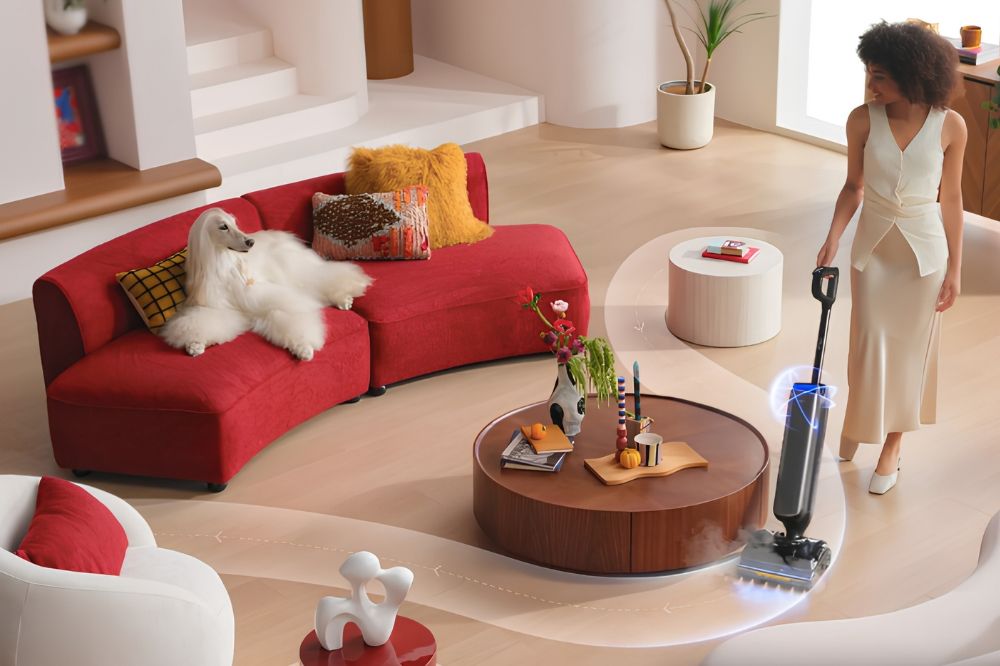
Despite the proliferation of cordless models
Dry messes won’t go away even in homes that have hard floors. Pet hair gets stuck in soft furnishings, craft waste can get trapped where a floor washer cannot go and crumbs get stuck in sofa cushions, and glitter gets into rug fibres.
A cordless vacuum is also helpful since it can get between the floor, furniture and textiles rapidly. It can be particularly useful following craft activities, birthday parties or rainy days activities.
When you’re looking at different types of cleaning equipment to use at home, it is important to consider the kind of mess you would like to clean up and not the type of equipment you use. You might consider using a tineco vacuum as one of the several options, but it will depend on whether you need to use it for dry pickup, or hard-floor washing.
Engaging children in a safe way
Children don’t have to do all the chores to contribute. Simple tasks, like sorting toys into a basket, putting dirty clothes into a hamper, drying off a table with a damp cloth or carrying their plate to the sink are age appropriate responsibilities to start.
Young children enjoy brief, well-specified tasks. Older children can be given more responsibility, perhaps to tidy the entryway or sort the laundry, or clean the floor (under supervision).
Electrical appliances and cleaning products should be adult led. Children may assist in setting up the area, collecting materials and doing simple jobs, but should not use wet-dry machines, steam appliances or vacuums without the direct supervision of a parent, determined by the parent.
Here’s a basic weekly cleaning checklist.
A short, regularly repeated routine is most effective. One day, families can get the entryway reset, remove old food from the refrigerator, dust and vacuum rugs and upholstery, and dust and wipe down areas of frequent contact.
Spot cleaning can be done during the week on hard floors with a quicker clean, and then more in-depth cleaning can be done on the weekend. Families can use a tineco s9 FLOOR ONE S9 Artist for everyday sealed hard floor spills as part of a larger routine as an example of a wet-dry model.
Steam models are only suitable to use on floors that are marked for steam cleaning. The suitability of a floor should be determined by the material, according to the floor finish and manufacturer’s recommendations; it is always better to check beforehand.
Maintaining the realism of the routine.
The best clean up is the one that a family can do. It is natural for a home to never be entirely tidy if it has children. The key is to establish easy habits that eliminate the spread of messes and that everyone can play a role in maintaining shared areas usable.
