
Ask a child to draw their dream backyard, and you’ll probably get something that looks impossible to build. At first glance, it may seem like nothing more than a fun art project. But if you look a little closer, those colorful sketches can reveal exactly what your child wants from an outdoor space. Children don’t think about property lines, budgets, or drainage – they think about adventures and places to explore. That’s what makes their drawings so valuable! Do not focus on how realistic the picture is – you need to look for the story behind it.
If your child enjoys computer games, they may have just as much fun experimenting with landscape design software. For many kids, it feels a little like building a world in The Sims – they can draw paths, place trees, create their dream playground, and experiment without worrying about making mistakes. Parents can even design directly over a scanned copy of the kids’ drawings.
Below, we’re going to talk about building an outdoor area considering your child’s imagination. Let’s see how you can make a backyard the whole family can enjoy!
Listen Before You Start Planning
It’s a good idea to ask your child to explain what they’ve created. You may discover that the large tree isn’t just a tree – it’s where they imagine reading books. A patch of colorful flowers might actually be their favorite place to watch butterflies, while the long winding line across the page could represent a path for riding a scooter.
These conversations often uncover ideas that adults wouldn’t think to include. Rather than asking, “Can we build this?” ask, “What do you want to do here?” The answer usually points you toward practical features that fit your family’s lifestyle.
Turn Big Ideas Into Real Features
There might be lots of details in your child’s drawing, but you don’t need to recreate everything. If your child dreams about being surrounded by wildlife, you could create a small pollinator garden filled with flowers that attract butterflies and bees. A picture covered in trees might inspire you to plant one or two shade trees with a bench underneath instead of trying to create a miniature forest.
Plan the Space Before You Build
It’s easy to get excited and start buying plants or outdoor furniture straight away, but planning first usually saves both time and money.
Creating a digital layout allows you to see how different features work together before making any permanent decisions. It’s also much easier to adjust a design on a screen than to move heavy planters or rebuild a pathway later.
Create Spaces Instead of Filling Every Corner
One mistake many parents make is trying to use every square foot of the backyard. In reality, children often get more enjoyment from open space than from lots of equipment.
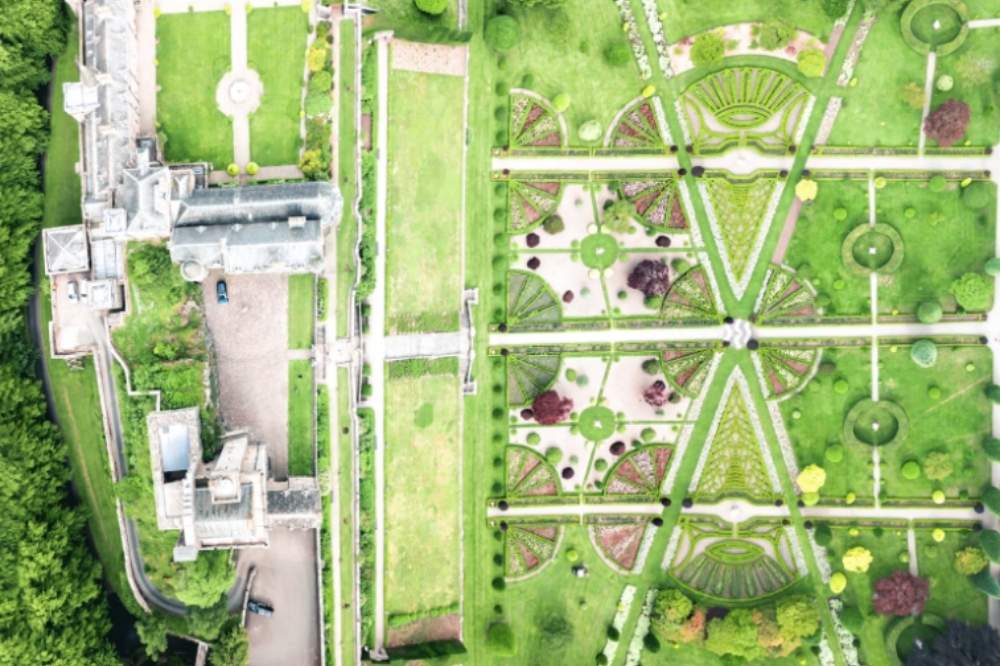
Think about creating a few distinct areas instead. An open section of lawn gives children freedom to invent games that change from day to day. A small corner with raised beds or containers can become a place for growing strawberries, herbs, or tomatoes together. Another quiet spot with a bench or hammock offers somewhere to read, chat, or simply relax after a busy day.
These areas don’t need fences or walls between them. A change in paving, planting, or even a simple path is often enough to make each space feel like it has its own purpose.
Let Your Child Help Make Decisions
You can’t imagine how much children enjoy making decisions. That doesn’t mean they choose every plant or tell you where the patio goes, but giving them a few meaningful choices can make a big difference!

For example, they might enjoy selecting flowers for pots, choosing the color of a garden bench, or deciding where to place a bird feeder. Older children can help you measure the space, plant vegetables, or paint wooden planters.
Summing Up
As you can see, every family member can participate in building a garden that encourages children to spend more time outside. The next time your child proudly hands you a drawing of their dream backyard, don’t just admire it before sticking it on the refrigerator. Their picture may not be a blueprint, but it is full of clues about how they want to play, explore, learn, and spend time with the people they love! Don’t wait any longer – plan an outdoor space that feels personal, functional, and uniquely yours today!
