
Toddlers and preschoolers between the ages of 2 and 4 have plenty of energy to burn, and they need a variety of ways to move their bodies. At this age, children are eager to try new things, whether they’re running around the backyard, dancing to a favorite song, or figuring out how to kick a ball toward a target.
Of course, keeping little ones active doesn’t have to mean planning elaborate games or buying lots of equipment. Some of the best physical activities for toddlers use everyday household items, a little imagination, and plenty of room to explore.
Free play is important, but introducing simple, engaging activities can help children practice coordination, balance, listening, and other developing skills. Here are 10 easy ideas to try at home or outdoors, with options for different interests and energy levels.
1. Go on a Treasure Hunt
Toddlers love discovering hidden objects, especially when the activity feels like a little adventure. A sand table, sandbox, or suitable indoor sensory bin can become a treasure chest waiting to be explored.
Hide a few child-safe toys, such as large toy dinosaurs or toy cars, beneath the sand or among other sensory materials. Then invite your little explorer to search for the hidden treasures.
You can make the game more exciting by giving simple clues, asking your child to find a particular color, or counting each item as it appears. For younger toddlers, keep the hiding places easy to reach so they can focus on the fun of discovering something new.
Safety tip: Avoid small objects such as marbles, which pose a choking risk for children under 3. Supervise closely, and choose toys that are appropriate for your child’s age.
2. Ride a Balance Bike or Tricycle
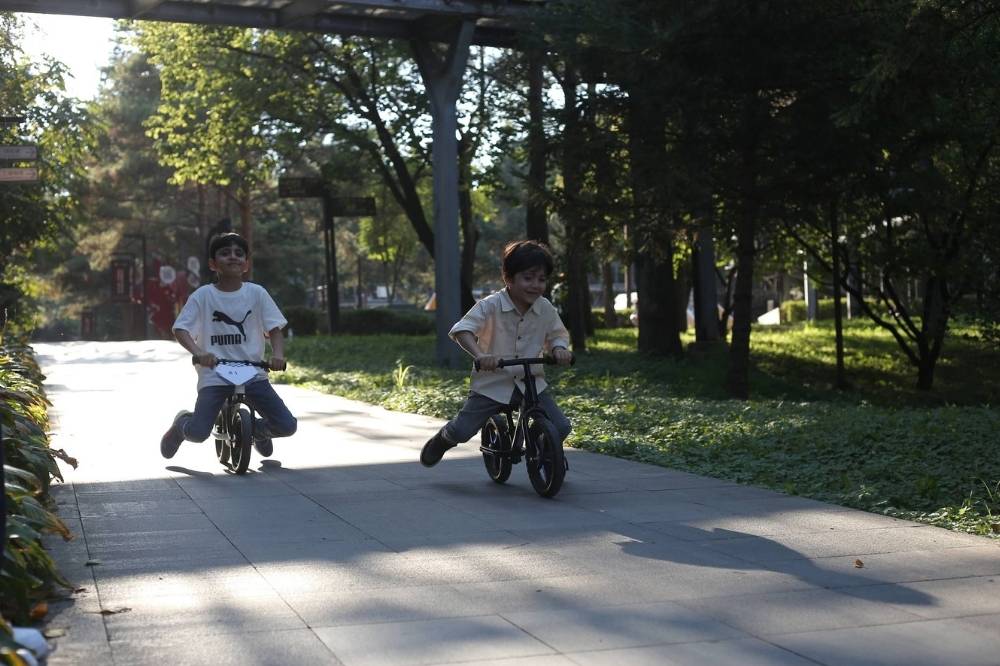
For many little ones, few things are more exciting than getting on a ride-on toy and setting off on their own mini adventure. Riding can encourage children to practice coordination, balance, steering, and controlled movement while building confidence through repetition.
A bike for toddler, whether it’s a childs balance bike or a tricycle, can help children develop coordination and motor skills while building riding skills they can enjoy for years to come.
Choose a model that fits your child’s size and abilities. Start in a flat, open area away from traffic, and make sure your child wears a properly fitted helmet whenever riding. Follow the manufacturer’s age and safety recommendations, and stay close while your child practices.
Riding can become more than an occasional activity, too. A short ride in the driveway or around a suitable park path can give your toddler a reason to get outside and move regularly.
3. Set Up a Homemade Bowling Game
You don’t need a real bowling set to introduce toddlers to the fun of rolling a ball toward a target. A few empty plastic bottles or sturdy cardboard tubes can become bowling pins in minutes.
Arrange the objects in a triangle at one end of a clear space. Give your child a soft foam ball and demonstrate how to roll it along the floor toward the pins.
At first, your toddler may roll the ball too slowly or send it in the wrong direction. That’s part of the learning process. Keep the distance short and celebrate each attempt rather than focusing on knocking down every pin.
You can also add a little counting practice. After each roll, help your child count how many pins fell over before setting them up again.
Use lightweight materials that won’t break into sharp pieces, and make sure the playing area is free of obstacles.
4. Practice Kicking a Ball
Kicking a ball is a simple way for toddlers to practice eye-foot coordination and learn to control their movements. It also gives them a fun reason to run, walk, and change direction.
To set up the activity, use a laundry basket or a cardboard box as a goal. Place a soft ball a short distance away and encourage your child to kick it toward the target.
Once your toddler gets comfortable, try a few variations:
Roll the ball gently back and forth between you.
Set the goal closer to make scoring easier.
Take turns kicking the ball toward the basket.
Walk after the ball together and bring it back for another round.
Keep the game relaxed and let your child experiment with different ways to kick. The goal is to enjoy moving, not to score perfectly every time.
5. Create an Indoor Obstacle Course
An obstacle course can turn a quiet afternoon at home into an energetic adventure. You can create one with familiar household items, adjusting the challenges to suit your child’s abilities.
Start with a few sofa cushions placed flat on the floor for stepping or jumping over. Add a short crawling section beneath a low, stable play structure, then make a pretend balance path using a straight line of tape on the floor.
Finish with a simple throwing challenge, such as tossing soft stuffed toys into a laundry basket.
A toddler-friendly course might look like this:
Step from one floor cushion to another.
Crawl through a short, safe tunnel.
Follow a straight tape line on the floor.
Toss two or three soft toys into a basket.
Ring a bell or clap to celebrate finishing.
Keep the course low to the ground and remove furniture with sharp edges or anything that could tip over. Avoid having children climb onto coffee tables or unstable drying racks. For toddlers, simple movements and a clear path are more important than complicated obstacles.
6. Make Nature-Inspired Arts and Crafts
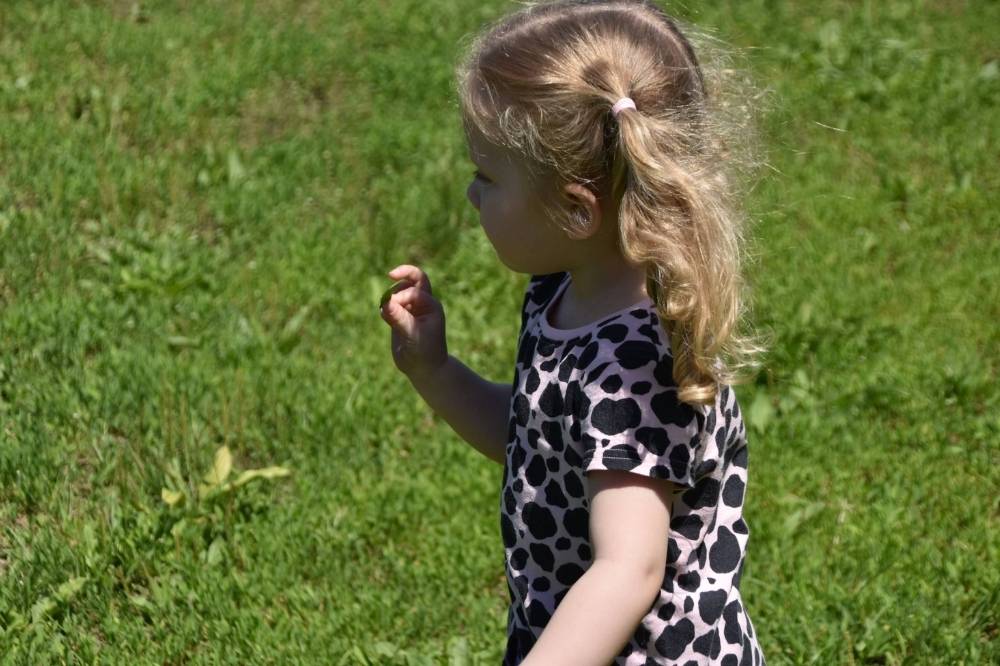
Arts and crafts might not seem like physical activities for toddlers at first, but nature-inspired projects can combine movement, exploration, and hands-on creativity.
Instead of setting up a complicated craft that requires lots of materials, start by collecting a few leaves, flowers, twigs, or pinecones during a short outdoor walk. Your child can bend down to collect suitable items, carry them back, and arrange them into a creative project.
Try these simple ideas:
Leaf window art: Place small leaves and flowers between sheets of clear contact paper to create a colorful decoration.
Nature painting: Let your child paint suitable stones, twigs, or pinecones with washable paint.
Nature printing: Use leaves or other textured natural objects as stamps on a large sheet of paper.
Water painting: Give your toddler a paintbrush, a container of water, and a few large stones to see how the stones change color when wet.
These activities encourage children to explore different textures and movements while giving them a chance to express themselves. Keep natural materials clean and age-appropriate, and supervise closely to prevent children from putting objects in their mouths.
7. Dance, Dance, Dance!
When you need a quick way to get your toddler moving, put on some favorite music and start dancing together. You don’t need special equipment, choreography, or even much space.
Try swaying from side to side, marching in place, clapping to the beat, or spinning slowly. You can also encourage your child to copy your movements or invent a few of their own.
Music adds another layer of fun. Different rhythms invite children to move at different speeds, while singing along introduces new words and sounds. Even a short dance break can help break up a long stretch of sitting.
For an easy variation, play a song and invite everyone to freeze when the music stops. Then start again when it resumes.
Choose a clear space with a nonslip floor, and keep movements appropriate for your child’s coordination and balance.
8. Try Simple Stretching Exercises
Stretching can be a gentle way to introduce toddlers to different body movements, especially after a quiet activity or before starting an active game.
Make the movements playful rather than expecting your child to hold precise poses. Give simple instructions such as:
“Reach up and touch the sky.”
“Bend down and touch your knees.”
“Stretch your arms out like a big airplane.”
“Turn gently to one side, then the other.”
You can even pretend to grow like a flower, reach like a giraffe, or curl up like a sleeping cat.
Keep each movement comfortable and easy to follow. Never force a stretch or push your child’s body beyond its natural range of motion. The goal is to explore movement together, not to achieve perfect form.
9. Play Simon Says
Simon Says is a classic game that combines listening, attention, and physical movement. It works well for toddlers because you can change the instructions to match their abilities and interests.
One person plays Simon and gives simple directions. For example, “Simon says jump like a frog,” “Simon says touch your head,” or “Simon says march in place.”
In the traditional version, children should only follow an instruction when it begins with “Simon says.” If the leader gives a direction without those words, players should stay still.
For younger toddlers, start by practicing the movements without eliminating anyone. The listening rule can come later, once the child understands how the game works.
Keep instructions short, demonstrate unfamiliar movements, and make mistakes part of the fun. With regular play, children get opportunities to practice following directions while moving their bodies.
10. Keep a Balloon in the Air
A balloon can turn a small indoor space into an entertaining movement game. Blow up a balloon and encourage your toddler to tap it gently before it reaches the floor.
Children can reach up, move from side to side, and adjust their hands to keep the balloon floating. These actions give them opportunities to practice hand-eye coordination and react to changing movement.
For older preschoolers, you can add a simple challenge: see how many gentle taps the balloon can get before touching the ground. You can also take turns tapping it back and forth.
Always supervise balloon play closely. Uninflated balloons and broken balloon pieces can pose serious choking hazards, particularly for children under 3. Keep them out of reach, and remove any damaged pieces immediately. Avoid adding pool noodles or other equipment unless it is appropriate for your child’s age and can be used safely.
Make Physical Activities Part of Everyday Life

The best physical activities for toddlers don’t need to be complicated, expensive, or perfectly organized. A treasure hunt, a homemade bowling game, a short ride on a balance bike, or a few minutes of dancing can all create opportunities for children to move and explore.
Try offering a mix of active games, creative projects, and quieter movement activities throughout the week. Some days, your toddler may want to run through an obstacle course; on others, kicking a ball back and forth may be enough.
Follow your child’s interests, adjust activities to their abilities, and allow plenty of time for free play. With a little creativity and a safe space to explore, everyday moments can become enjoyable opportunities to build movement skills and confidence.
FAQs About Physical Activities for Toddlers
1. What are the best physical activities for toddlers aged 2 to 4?
Simple options include kicking a ball, dancing, treasure hunts, homemade bowling, obstacle courses, and riding an age-appropriate tricycle or balance bike. Offering different activities gives children opportunities to practice a range of movements while discovering what they enjoy.
2. How can I keep my toddler physically active indoors?
Try dancing, balloon games with close supervision, soft-ball bowling, or an obstacle course made with floor cushions and a clear crawling space. Choose activities that fit your available room and remove furniture or objects that could cause trips or falls.
3. Are balance bikes suitable for toddlers?
Some balance bikes are designed for toddlers, but suitability depends on the child’s size, development, and the manufacturer’s recommendations. Choose a bike that allows your child to place their feet securely on the ground, use a properly fitted helmet, and practice in a safe, traffic-free area.
4. How long should toddlers spend on physical activities?
Rather than relying on one long, structured session, offer frequent opportunities to move throughout the day alongside free play. Adapt the activities to your child’s energy, interests, and abilities, and follow guidance from your pediatrician if you have concerns about their movement or development.
5. How can I make physical activities more fun for toddlers?
Use familiar toys, music, pretend play, and simple challenges to make movement feel like a game. Let your child choose between a few activities, praise their efforts, and keep the focus on enjoyment rather than winning or getting every movement right.
