
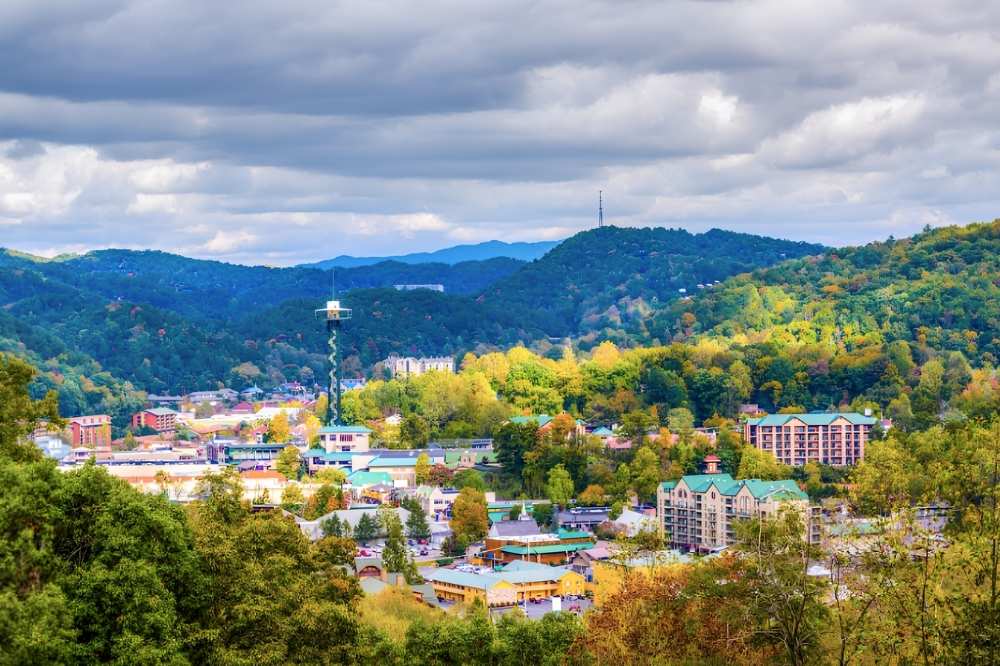
Family trips can get expensive and complicated surprisingly quickly. Between accommodations, meals, activities, transportation, and spontaneous purchases, even a short getaway can stretch both your schedule and your budget. Gatlinburg gives families plenty of ways to combine outdoor experiences, entertainment, food, and downtime, but having too many choices can make it tempting to overplan. A smarter approach is to prioritize convenience, choose activities carefully, and leave enough flexibility to actually enjoy the time you’re spending together.
Start With Location and Daily Convenience
The nightly rate only tells part of the story when you’re choosing accommodations. A slightly cheaper room may end up costing more overall if you’re constantly driving, paying for parking, or spending valuable time getting between activities.
For families comparing hotels in Gatlinburg near the Great Smoky Mountains National Park, Bearskin Lodge offers a location that can make it easier to balance outdoor plans with other activities around Gatlinburg. Staying conveniently positioned can reduce unnecessary driving and give families more flexibility to return to their accommodations for breaks during a busy day.
When comparing places to stay, look at the entire setup rather than simply sorting options from cheapest to most expensive. Consider parking, nearby activities, dining options, road access, and amenities you’ll genuinely use. Convenience has real value, especially when you’re traveling with children.
The same logic applies to how you plan the rest of the day. Group activities that are reasonably close together whenever possible so you aren’t constantly getting back into the car. Spending the morning in one area, eating nearby, and choosing an afternoon activity in the same general direction can save fuel, parking costs, and a surprising amount of time.
Build the Trip Around Real Energy Levels
A packed itinerary can look impressive while you’re planning from home. It feels considerably less impressive when everyone is exhausted halfway through the afternoon.
Instead of treating every day like a checklist, choose one or two major priorities and leave space around them. More active experiences often work better earlier in the day, when everyone is rested and temperatures may be more comfortable. Slower activities, shopping, meals, or indoor entertainment can fit naturally later.
This approach becomes particularly useful with younger children, teenagers, or older relatives. Everyone may have a different idea of what makes a good day, so it helps to give different family members some input.
You don’t need every activity to appeal equally to everyone. The goal is balance. One person might want something outdoors, another might prefer a more adventurous experience, and someone else may simply want a good meal and time to relax.
Leaving gaps in the schedule also makes delays easier to absorb. If lunch takes longer than expected or everyone wants to stay somewhere an extra hour, you won’t immediately feel as though the rest of the day has fallen apart.
Doing fewer things well is often more enjoyable than racing through a long list.
Mix Bigger Activities With Simpler Experiences
Not every part of the trip needs to come with an admission ticket.
Constantly moving between paid attractions can become tiring and expensive. A better rhythm is to mix one major activity with simpler experiences such as walking, sightseeing, relaxing outdoors, browsing shops, or enjoying time where you’re staying.
This gives your budget some breathing room and prevents the trip from feeling like every hour has a price attached to it.
Outdoor time can be especially valuable because it often provides a memorable experience without requiring a large additional expense. That doesn’t mean committing everyone to a difficult hike. Short walks, scenic areas, picnic stops, and easy nature activities can work well for mixed-age groups.
Check conditions before heading out and choose activities based on the abilities of everyone participating. The National Park Service recommends carrying appropriate essentials for outdoor activities, including water, navigation tools, sun protection, insulation, illumination, first-aid supplies, and emergency shelter when appropriate.
A little preparation can make outdoor time much more enjoyable, especially when cell service or weather is unpredictable.
Plan Food Before Hunger Takes Over
Food is one of the easiest areas for a family travel budget to expand without warning.
Eating every meal at a restaurant can consume both money and time, particularly when you’re dealing with waits during busy periods. A simple strategy is to mix restaurant meals with easier options.
Breakfast is often the easiest meal to handle where you’re staying if basic facilities are available. Keeping snacks and drinks with you can also prevent unnecessary stops during the day.
Save restaurant spending for meals you actually want to enjoy rather than eating out simply because nobody planned another option.
Meal timing matters too. Eating a little earlier or later than the busiest periods can reduce wait times and keep the day moving.
Most importantly, don’t wait until everyone is already hungry to decide what happens next. Family decision-making quality drops dramatically once snacks have run out.
Keep the Budget Focused on Value
Travel spending goes well beyond lodging and tickets.
Parking, snacks, drinks, coffee, souvenirs, transportation, tips, and last-minute add-ons can quietly increase the total.
Set a rough daily budget before the trip and include room for miscellaneous spending. The Consumer Financial Protection Bureau offers useful budgeting resources for organizing spending and understanding where your money is going.
It also helps to decide where your family is comfortable spending more.
You may prefer better accommodations because they reduce driving. Another family may care more about activities or meals. There isn’t one correct approach.
The key is looking at total value rather than the lowest individual price.
A slightly more expensive hotel with useful amenities, parking, or a better location may save money elsewhere. Likewise, paying for one experience everyone is excited about may be a better use of the budget than buying tickets to several average ones.
Time has value too. Saving a small amount isn’t always worthwhile if it adds hours of driving or frustration.
Use What Your Accommodations Already Provide
Before adding another paid activity to the itinerary, look at what is already included where you’re staying.
A pool, outdoor area, breakfast, kitchen facilities, or family entertainment space may provide several hours of enjoyment without another charge.
These amenities can also be useful when everyone needs a slower afternoon.
Families often underestimate how valuable it is to return to the room for a break, eat something simple, recharge devices, or let younger children rest.
That downtime isn’t wasted vacation time. It can be the reason everyone still has enough energy to enjoy dinner or the next day’s plans.
Leave Room for Weather and the Unexpected
Weather, traffic, crowds, and changing conditions can disrupt even a carefully planned day.
Keep at least one backup option ready, but don’t treat every change as something that needs to be replaced immediately with another expensive activity.
Sometimes the better move is simply slowing down.
A rainy afternoon can become an indoor activity, a relaxed meal, or extra time at your accommodations. A delayed morning can mean dropping one optional stop rather than rushing through the rest of the day.
Open time also gives spontaneous moments somewhere to happen.
You may discover a shop, viewpoint, activity, or meal that wasn’t part of your original research. The family may unexpectedly love something and want to stay longer. Or everyone may simply need an hour without plans.
Those moments are often what make a trip feel personal.
Focus on the Experience, Not the Checklist
A successful family trip isn’t measured by how many attractions you manage to complete.
Choose a few experiences everyone is genuinely excited about, keep transportation practical, plan meals before hunger takes over, and leave enough room in the budget for unexpected expenses.
Most importantly, don’t schedule away every free moment.
The conversations during an unplanned walk, the evening everyone spends relaxing together, or the activity you discovered by accident may end up being more memorable than something you researched for weeks.
Good family travel isn’t about maximizing every minute or minimizing every dollar.
It’s about using both wisely enough that everyone has time to enjoy being there.
