
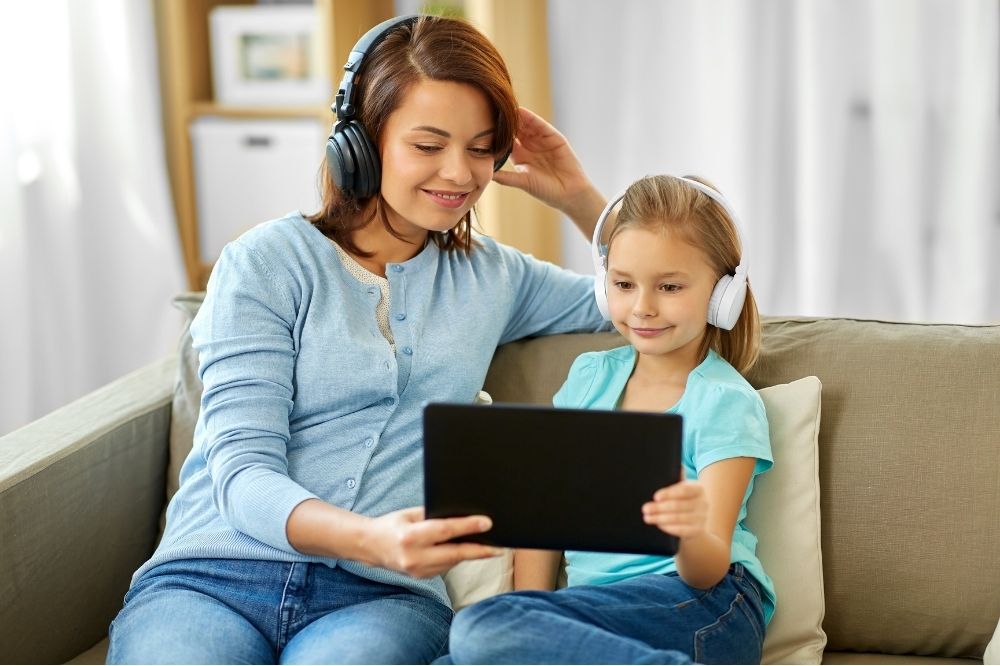
If you’ve been around kids in the last five minutes, you know two things to be true. First, they can learn every word to their favorite songs much quicker than they can remember where they left their shoes. Second, if there’s a cool video playing, they’re 100% locked in.
For the longest time many of us tried to keep learning strictly within traditional workbooks and stacks of flashcards. But after I’d spent a lot of time trying to get everyone on the same page, I had an epiphany: why not simply bring music and video into our daily learning stuff, and not fight with them?
Visual media and a good beat is not about putting a screen in front of kids so we can get twenty minutes of peace. It’s about taking the tools they already obsess over and making them real learning moments. Here are some creative, low-stress ways you can use video and music to really make big ideas stick.
Why Rhythm and Visuals Make Things Stick
Kids don’t process information the way adults do. They learn with their whole bodies and the sensory input is a huge part of whether a lesson sticks or is gone by tomorrow morning. When you match a catchy tune or a clear video with a concept, there’s something that just clicks.
Here’s why this combo works so well in real life:
- Memory hooks that really work: Like it or not, lyrics and rhymes stick in our heads. Just think about it, most of us still sing the alphabet song under our breath when we look through a file cabinet.
- Way better energy: Movement, beats and colorful visuals have the kids off the couch and involved instead of just staring blankly while you talk.
- Covers all the bases: Auditory kids grab onto the music, visual kids need the pictures, and energetic kids get to jump to the beat.
Making Screen Time into Creative Video Projects
Why not flip the script and have kids be the creators instead of just zoning out on random videos? Allowing them to take the lead in planning, shooting and editing a short clip makes passive watching a full-on brain workout.
And you don’t need a film degree or fancy studio equipment to do this either. All they need is an everyday smartphone and a simple, user-friendly video editor to bring their ideas from paper to screen.
Here are three easy video projects your kids can jump into this week:
- The Mini Wildlife Report: Get your child to choose a topic they are crazy about, whether that is bugs in the backyard, the family dog or their latest LEGO build, and create a short two-minute report with weird facts about it.
- Book Trailer Clips: Have them make a short, dramatic “movie trailer” for the book they just finished instead of a standard book report. It tests if they really understood the story, but it feels much more like play.
- Pretend Cooking Shows: Have them do a mini cooking show while they make an afternoon snack. They get to practice measuring ingredients, telling a story in the right order, and speaking clearly on camera.
Real Music and Sound into the mix.
Music is so much more than filling silent rooms or keeping the energy up. It increases focus and helps kids process complex patterns. Having real instruments in your life allows for amazing creative expression without a hard curriculum.
And the truth is, you don’t need to spend a fortune on high-end gear to let them get a taste of making music. A cheap violin or entry-level keyboard is a budget item that gives kids a hands-on, tangible way to explore pitch, rhythm and volume, without the worry of breaking delicate equipment.
Test out these ideas to inject some sound into your usual routine:
- Quiet time focus playlists Play some low-fi beats or classical acoustic music softly in the background during reading or math time. It sets a calm mood and minimizes random distractions.
- Clapping out math problems: Kids can feel the rhythm of counting, basic multiplication and fractions with hand drums, cheap shakers, or just clapping on a tabletop.
- Sound effects to storytime: When you’re reading a book together, hand your child a shaker or a couple of wooden spoons and let them make background noises that fit what’s happening on the page.
4 Quick Activities to Try at Home This Week

If you want to try out some of this without hours of planning, start small. Pick one of these quick ideas to try over the next few days:
- Make a Science Jingle: Take a tricky concept like how plants grow or the phases of the moon and write silly lyrics set to the tune of a nursery rhyme like “Twinkle, Twinkle, Little Star.”
- Freeze Dance Vocabulary: Play a fun song and everyone dance around the room. Hit pause and call out a vocabulary word or a math problem. They’ve got to yell out the right answer before the music starts again!
- Stop-Motion Short Stories: Download a free stop-motion app and have your kids arrange toy cars, action figures or clay to tell a story frame by frame. It requires a little patience, but it is unparalleled for teaching narrative planning.
- Newsroom Time Travel: If you’re studying history topics, have older kids dress in a simple costume and record a breaking-news report on a historical event as if it’s happening now.
Finding Your Rhythm
At the end of the day, using tools like video and music is not about tossing out real books or replacing hands-on play. It’s just about opening up new doorways to wonder. When we lean into the things kids naturally gravitate toward, learning stops feeling like a battle and starts feeling like something everyone actually looks forward to. Pick up an instrument, press record on a fun project and watch how quickly things fall into place!
