
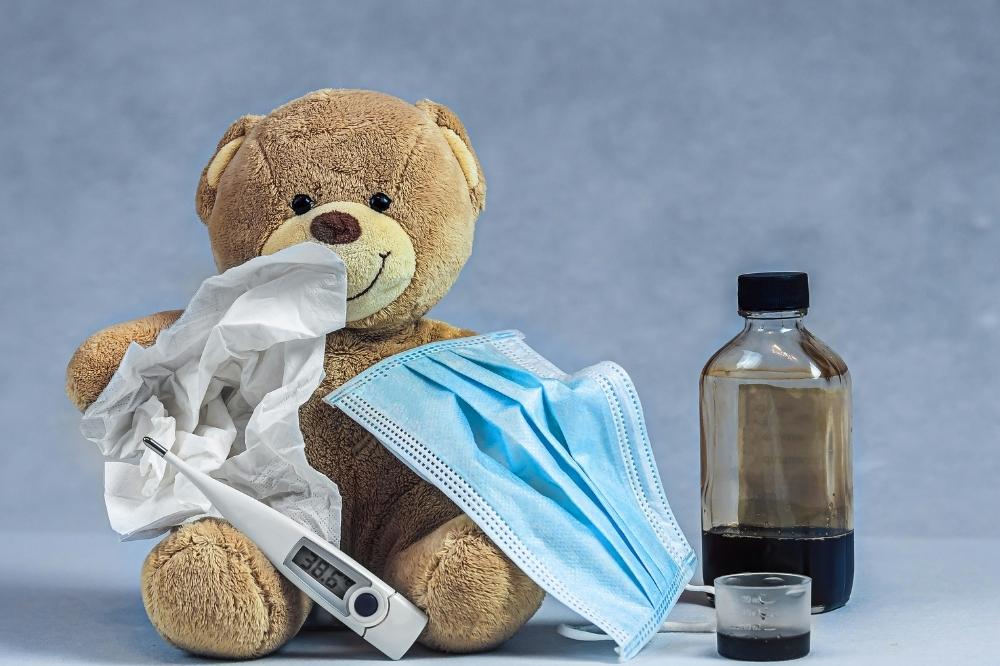
School breaks are a much-needed time for family fun and relaxation, but they can also bring an unwelcome guest: illness. A change in routine, travel to new places, and increased exposure to different groups of people can sometimes lead to coughs, fevers, and upset stomachs. With a little foresight, you can help your family stay healthy and make the most of your time off.
Understanding Common Vacation Bugs
When your family’s daily schedule gets disrupted, immune systems can take a hit. Travel often means spending time in crowded airports or rest stops, which are breeding grounds for germs. The most common culprits are respiratory viruses like the common cold and influenza, as well as gastrointestinal bugs like norovirus, often called the “stomach flu.”
These illnesses spread easily from person to person or through contact with contaminated surfaces. For example, a child who touches a handrail at a museum and then touches their face can quickly pick up a virus. Changes in diet and sleep patterns during a break can also weaken the body’s natural defenses, making kids more susceptible to getting sick.
Proactive Health Habits for Travel
The best defense against vacation illness is a good offense. Reinforcing healthy habits before and during your trip can make a significant difference. Simple practices like frequent handwashing with soap and water are incredibly effective. When you’re on the go, keep an alcohol-based hand sanitizer with at least 60% alcohol handy for times when a sink isn’t available.
Encourage everyone to get plenty of sleep, as rest is crucial for a strong immune system. It’s also wise to pack healthy, nutrient-rich snacks and a reusable water bottle to keep everyone hydrated. For more ideas, check out these holiday travel health tips that can help you plan ahead. Maintaining some semblance of your home routine can also help keep children healthy and resilient, even when you’re away from home.
Quick Symptom Checks for Parents
Even with the best precautions, a child might start to feel unwell. Being able to spot early symptoms can help you respond quickly and prevent an illness from getting worse. Pay attention to changes in your child’s behavior, as lethargy or unusual crankiness can be the first sign something is wrong.
Here are a few key things to watch for:
- Fever: Check their temperature if they feel warm to the touch.
- Cough and Congestion: Note if a cough is dry or productive and if they have a runny or stuffy nose.
- Stomach Issues: Watch for complaints of nausea, vomiting, or diarrhea.
- Appetite and Hydration: A sudden loss of appetite or refusal to drink fluids is a red flag.
- Rash: Check their skin for any unusual spots or rashes.
Knowing When to Seek Medical Help
Most minor colds and bugs can be managed with rest, fluids, and over-the-counter remedies. However, some symptoms warrant professional medical attention. Trust your parental instincts; you know your child best. If something feels off, it’s always better to get it checked out.
Seek medical care if your child has a high fever that doesn’t respond to medicine, shows signs of dehydration (like dry mouth or fewer wet diapers), has difficulty breathing, or seems unusually sleepy and hard to wake. A widespread rash or severe stomach pain are also reasons to see a doctor. When your regular pediatrician’s office is closed or you’re away from home, facilities that provide urgent care for kids can be an excellent resource for getting a prompt evaluation and treatment plan.
Creating a Family Health Kit
Being prepared can take the stress out of managing an illness on the road. Before you leave for any trip, pack a compact family health kit with essentials. This simple step ensures you have what you need right when you need it, saving you a late-night trip to an unfamiliar pharmacy.
Your kit should include a digital thermometer, children’s pain and fever reliever (acetaminophen or ibuprofen), bandages and antiseptic wipes, antihistamine for allergic reactions, hydrocortisone cream for insect bites or rashes, any personal prescription medications, and saline nasal spray for congestion.
A little preparation goes a long way in making sure your school break is remembered for all the right reasons. Staying mindful of health habits and knowing what to do if someone gets sick can help your family enjoy a happy and healthy vacation.
