
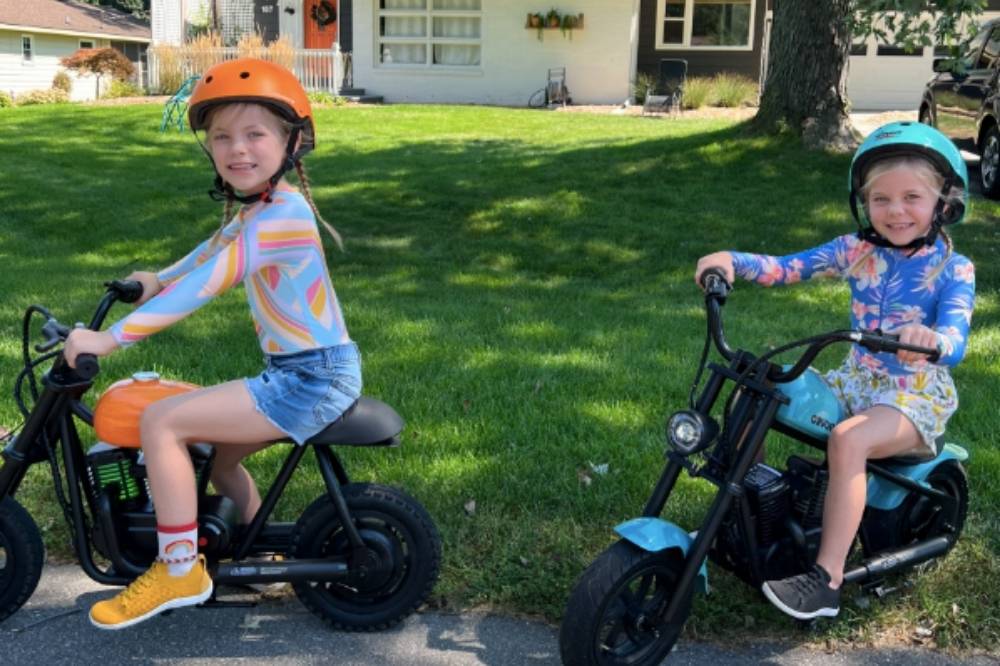
Summer screen time is rarely a simple yes-or-no issue for parents. Most families use screens, and most parents understand why they help. They fill quiet moments, hot afternoons, work calls, travel days, and the long in-between hours when everyone is tired.
The harder part is finding something children will choose instead.
A good screen-free activity cannot feel like a punishment for wanting the tablet. It cannot feel like summer homework with a different name. It has to offer kids something they already enjoy: movement, imagination, challenge, and a little sense of control.
That is why outdoor pretend play can work so well during summer break. With a safe space, a few simple props, and a clear purpose, an ordinary driveway or backyard can become a place where kids move their bodies and use their minds at the same time.
Why is it so hard to replace screen time in summer?
Summer days are long, and children often need more structure than parents expect. After the first few exciting days of break, the same question starts to return: what can I do now? Screens answer that question quickly, which is one reason they become the default.
The goal does not have to be a perfectly screen-free summer. That is unrealistic for many families. A better goal is to create a few strong alternatives that kids recognize as fun, not as something parents are making them do because screens are “bad.”
What kind of activity will kids actually choose?
Children are more likely to choose an activity when it gives them a role. They do not always respond to “go outside and play,” because that can feel too open-ended. But they may respond to a mission: deliver pretend mail, drive to summer camp, park at the ice cream shop, or rescue a stuffed animal from the backyard beach.
That small shift matters. The activity is no longer just outdoor time. It becomes a story with a purpose. Kids have somewhere to go, something to remember, and a reason to keep playing.
How can outdoor play become a simple learning moment?
A driveway, patio, or backyard can turn into a small summer town with very little preparation. Chalk lines can become roads. A cardboard box can become a post office. A beach towel can become the pool. A few signs can say STOP, PARK, HOME, CAMP, or SHOP.
To children, this feels like pretend play. To parents, it quietly supports reading, counting, sequencing, listening, and problem-solving. The learning is not announced as a lesson. It is built into the reason the child wants to keep playing.
Where does ride-on play fit in?
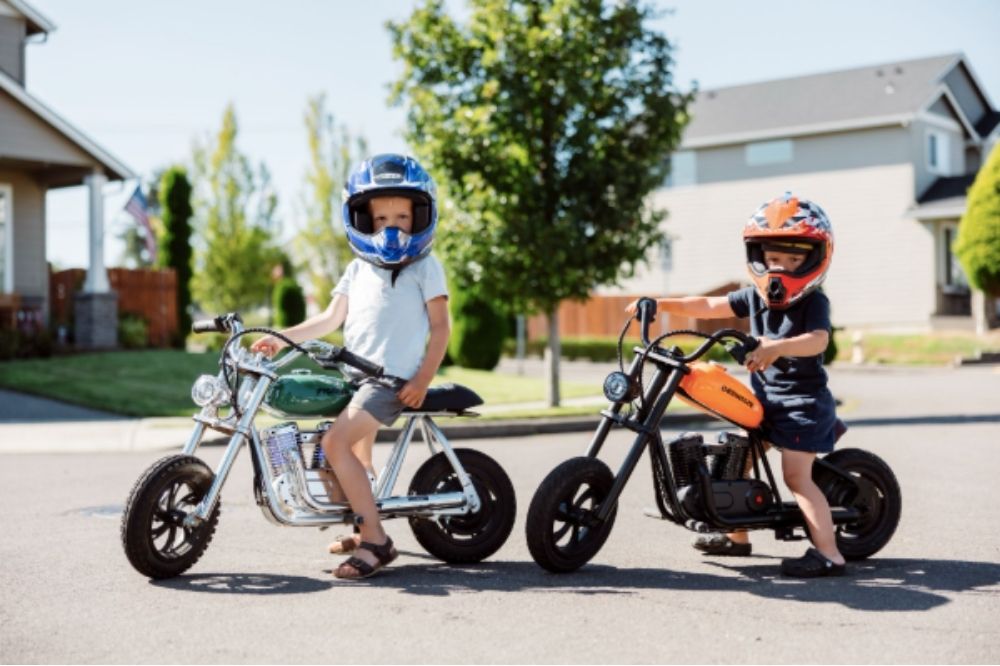
For children who love vehicles, movement, speed, and role play, ride-on play can make outdoor learning feel more exciting. Brands like HYPER GOGO focus on kids electric rides that turn simple backyard or driveway play into something more imaginative, giving children a stronger reason to step outside and take part in the activity.
For families exploring a kids mini electric motorcycle, the point is not to make the ride itself the whole activity. The point is to use something children already find exciting as a bridge into more purposeful play. A ride can become part of a delivery route, a parking game, a summer camp drop-off, or a simple backyard mission that asks the child to listen, remember, stop, start, and explain what happened.
What are kids learning while they play?
A pretend outdoor course can support more skills than it seems. When children read STOP, PARK, HOME, or CAMP, they connect words and symbols to real actions. When they count cones, packages, parking spaces, or pretend groceries, they use numbers in a way that feels practical.
They are also practicing direction-following and sequencing. A parent might say, “Go to the shop, pick up two apples, then come back home.” That one sentence asks the child to remember steps, move with control, and complete a task in order. It feels like play, but it builds attention, memory, language, and planning.
How can parents keep it simple all summer?
The best summer activities are usually the ones that can be repeated without much effort. Parents do not need to rebuild the whole setup every day. The same outdoor space can change with one new sign, one new mission, or one new pretend destination.
One day, it can be a post office route. Another day, it can be a grocery delivery. Later in the week, it can become a library trip, a camp drop-off, or a neighborhood helper game. The structure stays familiar, but the story changes enough to keep kids interested.
What makes this different from just another toy?
A toy becomes more valuable when it invites a child to do something with it. A child who rides from place to place with no purpose may lose interest quickly. A child who has a mission, a role, and a story is more likely to stay engaged.
That is the difference parents should look for during summer. The strongest screen-free alternatives are not always the most complicated ones. They are the activities that give children enough structure to begin and enough freedom to make the play their own.
What should parents remember?
Screen-free play does not have to compete with screens by being louder, flashier, or more complicated. It works best when it gives children something real to do: move, pretend, decide, count, read, remember, and tell a story.
For parents, the win is practical. A simple outdoor mission gives kids a reason to step away from the screen without turning the moment into a fight. For children, it feels like summer play. And that is exactly why they may want to do it again tomorrow.
